Melbourne is on track to become one of the largest cities in the country. The Victorian Government's own planning data, in Victoria in Future 2023, projects Greater Melbourne will grow to around 8 million people by 2051, with Victoria's total population passing 10 million over the same period. That's not an abstract, far-off number. It translates into hundreds of thousands of new homes needed right now, and it's reshaping specific pockets of Melbourne in very different ways depending on where you look. Here's where that growth is actually landing heading into 2027, and why it matters if you're thinking about where to invest.
The outer growth corridors: where the fastest growth is happening
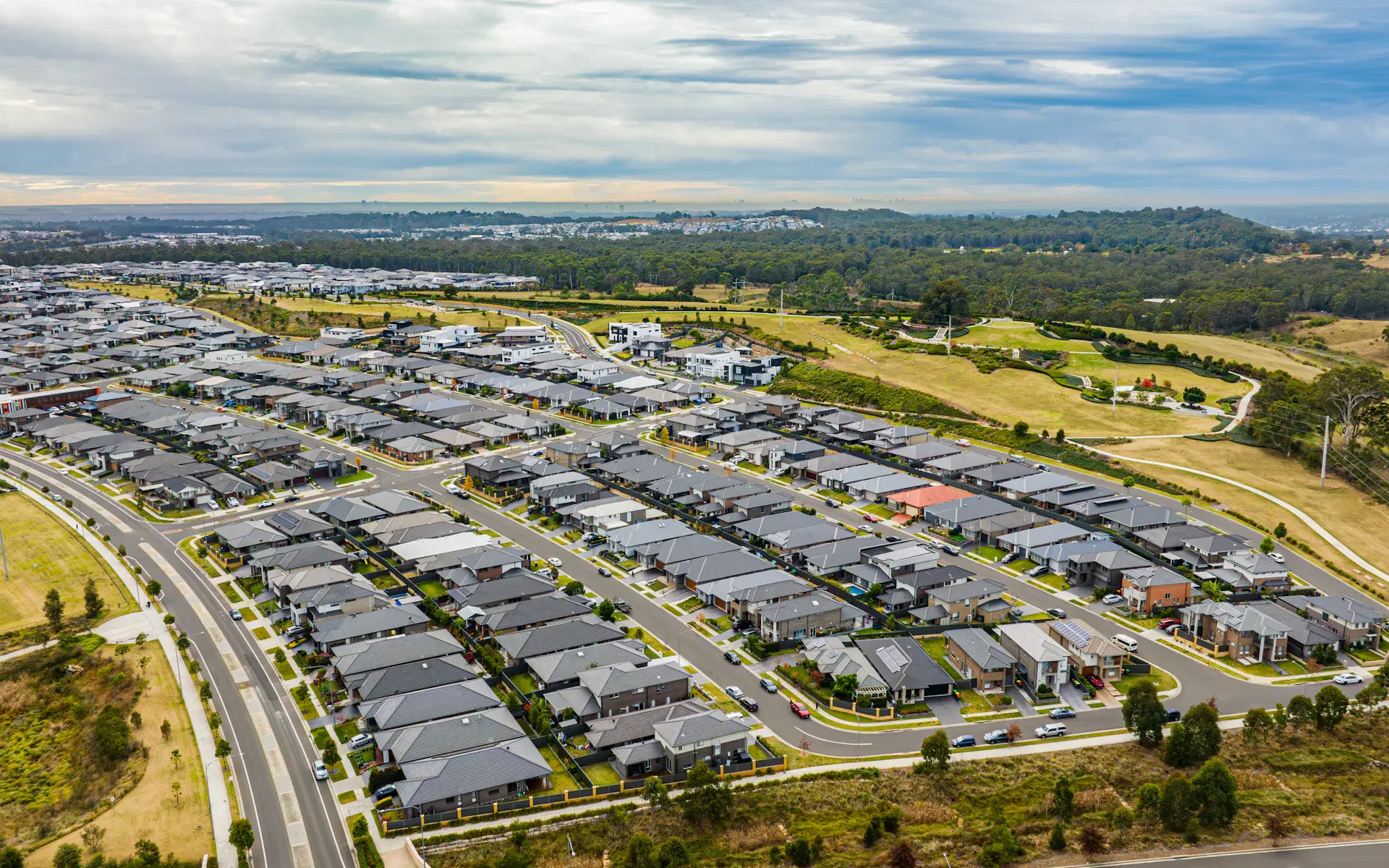
Melbourne's traditional growth corridors, the outer fringe areas where new land is still being released, continue to carry the bulk of the city's population growth. Three areas stand out.
West: Wyndham and Melton. Suburbs like Werribee, Tarneit, Point Cook and Truganina have seen some of the sharpest price growth of any part of Melbourne over the past five years, and the area remains one of the most active in the state for new housing. Wyndham in particular has one of the highest birth rates of any council area in Victoria, with more than 100 babies born there every week by the council's own count. That's a strong signal of a genuinely young, growing population rather than one built purely on investor activity.
North: Hume and Whittlesea. Craigieburn, Mickleham, Wollert and the broader Epping North area continue to expand as some of Melbourne's most affordable entry points into new housing, drawing a similar mix of young families chasing space and affordability.
South-East: Casey and Cardinia. Clyde, Clyde North, Pakenham and Cranbourne remain among the fastest-growing municipalities in the state, with new estates, schools and shopping precincts being built out in step with the population moving in.
What all three corridors have in common is tight supply relative to demand. Recent suburb-level analysis has found stock-on-market levels in these outer growth areas running well below Melbourne's long-run average, a sign of genuine scarcity rather than a market propped up by hype.
The corridor most investors are missing: Melbourne's middle ring
While the outer fringe gets most of the attention, there's a second, quieter growth story unfolding through Melbourne's established middle suburbs, and it's being driven by transport infrastructure rather than new land releases.
The Suburban Rail Loop East project is currently under construction, with $6 billion in federal funding now committed alongside the Victorian Government's own investment. The project will deliver a 26km underground rail line connecting six new stations at Cheltenham, Clayton, Monash, Glen Waverley, Burwood and Box Hill, linking major employment, education and health precincts that were previously difficult to reach without a car.
This matters for property because transport-led infrastructure like this tends to trigger rezoning and increased housing density around each new station over time. That's a different kind of growth story to the outer corridors, but one that can meaningfully reshape demand in suburbs that have otherwise looked "fully built out" for decades. Box Hill, in particular, sits at the intersection of this new line and its existing train line, making it one of the more significant transport nodes in Melbourne's east.
What this means if you're investing in 2027
These two growth stories call for different strategies. The outer corridors suit an investor chasing affordability, strong population growth and tight supply. You're buying into a market that's growing from a lower base, with land content that's still relatively affordable today. The middle-ring, transport-led suburbs suit a different thesis: an established area with existing infrastructure, schools and amenity, where a specific piece of new infrastructure is likely to lift demand and density over the coming decade.
Neither is inherently the "better" strategy. It depends on your timeframe, your risk appetite, and what you already hold in your portfolio. What matters is understanding which growth story a suburb is actually telling before you buy, rather than assuming all "growth corridor" suburbs are the same kind of opportunity.
If you'd like to talk through how a specific growth corridor fits your own strategy, that's exactly the kind of thing we help with.
Articles on this blog are general information only, not financial, legal or taxation advice, and do not account for your personal circumstances. Stamp duty thresholds and lending criteria referenced in them are Victorian and change over time — check the publication date above, and seek advice specific to your situation before acting.
- Published
- Written by
- Dinali Perera
- Reading time
- 3 min